Regulatory and Technological Harmony in Global Virtual Table Systems
Amir Coleman · Jun 14, 2026

Regulatory and Technological Harmony in Global Virtual Table Systems
Virtual table environments encompass digital platforms that replicate traditional table games such as blackjack, roulette, and poker through live streaming and interactive interfaces, and analysts track how regulatory updates align with technological integrations across these systems worldwide. Jurisdictions adjust licensing requirements while operators deploy new software architectures, cloud-based hosting solutions, and identity verification tools that must meet compliance standards set by multiple authorities simultaneously.
Regional Regulatory Developments and Their Timing
European authorities have issued updated directives on data protection and fair play algorithms that took effect in early 2025, prompting platform providers to integrate enhanced encryption protocols and real-time auditing modules. Canadian provinces including Ontario expanded their iGaming frameworks with new technical standards released in late 2025, and these changes require virtual table operators to synchronize player authentication systems with provincial databases by mid-2026. Australian regulators through the Australian Communications and Media Authority have outlined expectations for responsible gambling tools that integrate directly into game interfaces, creating parallel implementation timelines for software vendors.
Data compiled by industry monitoring groups shows that synchronization gaps often appear when regulatory announcements precede the availability of compatible technology by several months. In June 2026 several North American and European operators plan coordinated rollouts of updated virtual table software that incorporates both biometric verification and automated reporting features designed to satisfy overlapping compliance obligations.
Technological Integrations Driving Platform Evolution
Platform developers have adopted modular architectures that allow rapid insertion of compliance features without full system overhauls, and these designs rely on application programming interfaces that connect directly to regulatory reporting portals. Blockchain-based transaction ledgers now appear in several virtual table environments to provide immutable records of game outcomes and player wagers, addressing audit requirements from multiple oversight bodies at once. Artificial intelligence models assist with anomaly detection in betting patterns while simultaneously generating the documentation needed for regulatory submissions.
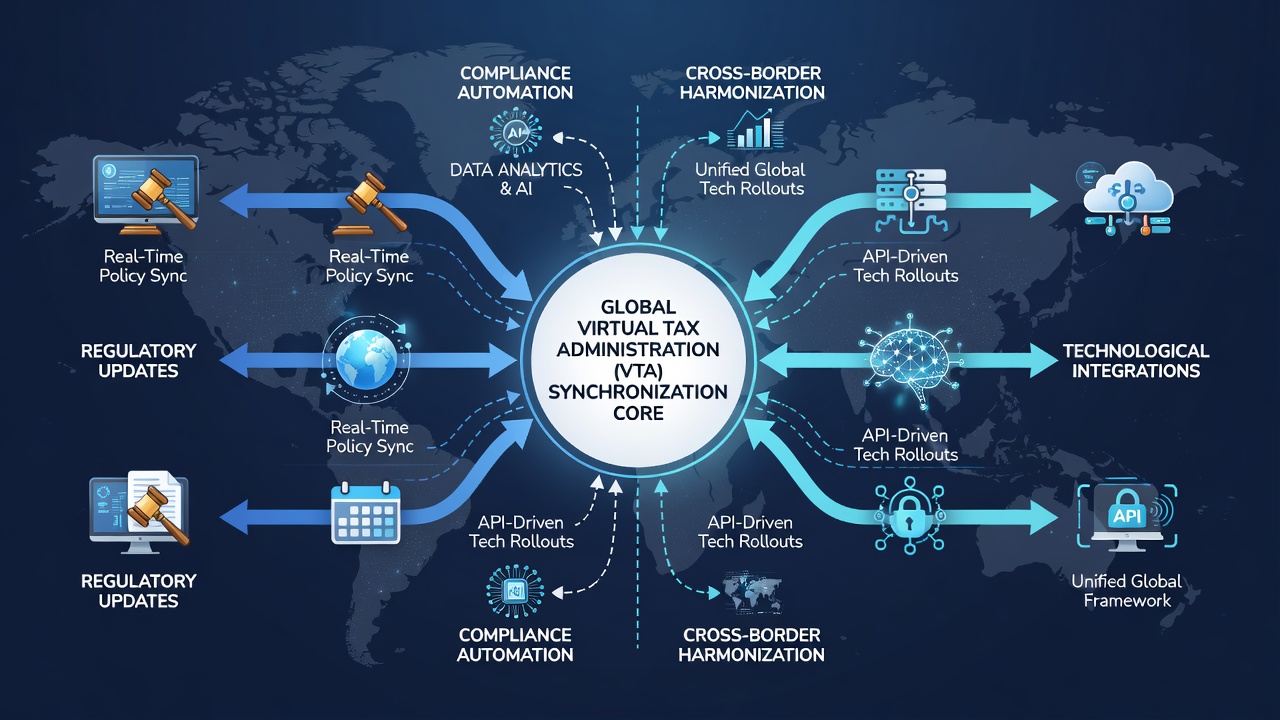
Observers note that cloud service providers have introduced region-specific data residency options that help operators meet localization rules without sacrificing performance in live dealer streams. Research from academic institutions such as the University of Nevada's gaming studies program indicates that operators who align technology upgrade cycles with anticipated regulatory announcements experience fewer service interruptions during transition periods.
Coordination Mechanisms Across Borders
International associations including the International Association of Gaming Regulators facilitate information exchange between member agencies, and these forums allow regulators to share upcoming technical specifications before formal publication. Operators participate in working groups that test proposed compliance interfaces against actual platform code, which reduces the interval between rule changes and functional updates. One documented case involved a major provider that adjusted its virtual table backend three months ahead of a scheduled European rule revision after receiving advance notice through such channels.
Figures from technology vendors reveal that standardized APIs for regulatory reporting have shortened deployment times for new compliance features from an average of 14 weeks to approximately six weeks in participating jurisdictions. Yet synchronization remains imperfect when different regions impose conflicting technical mandates, such as varying encryption strength requirements or distinct formats for player data exports.
Challenges in Maintaining Alignment
Legacy systems still operating in certain markets create friction during updates because older virtual table software lacks the flexibility to incorporate new modules quickly. Regulatory bodies occasionally revise technical specifications after initial announcements, forcing operators to repeat integration work and delay scheduled launches. Cross-border operators face additional complexity when they must satisfy both stringent data localization rules in one region and open data-sharing expectations in another.
Studies conducted by research organizations such as the Gaming Research Exchange show that successful synchronization correlates with early involvement of technical teams in the regulatory consultation process. Platforms that maintain dedicated compliance engineering staff report higher success rates in meeting simultaneous deadlines across jurisdictions.
Conclusion
Analysis of synchronization patterns demonstrates that virtual table environments continue to evolve through deliberate coordination between regulatory timelines and technological capabilities. Jurisdictions release updated standards at different intervals while providers refine integration methods that accommodate multiple requirements within single platform updates. Continued monitoring of these interactions will determine how effectively global systems maintain compliance without compromising operational continuity in live table offerings.