Regulatory Adjustments Reshape Payment Pathways for Live Dealer Rewards in Emerging Economies
Amir Coleman · Jul 24, 2026
Regulatory Adjustments Reshape Payment Pathways for Live Dealer Rewards in Emerging Economies
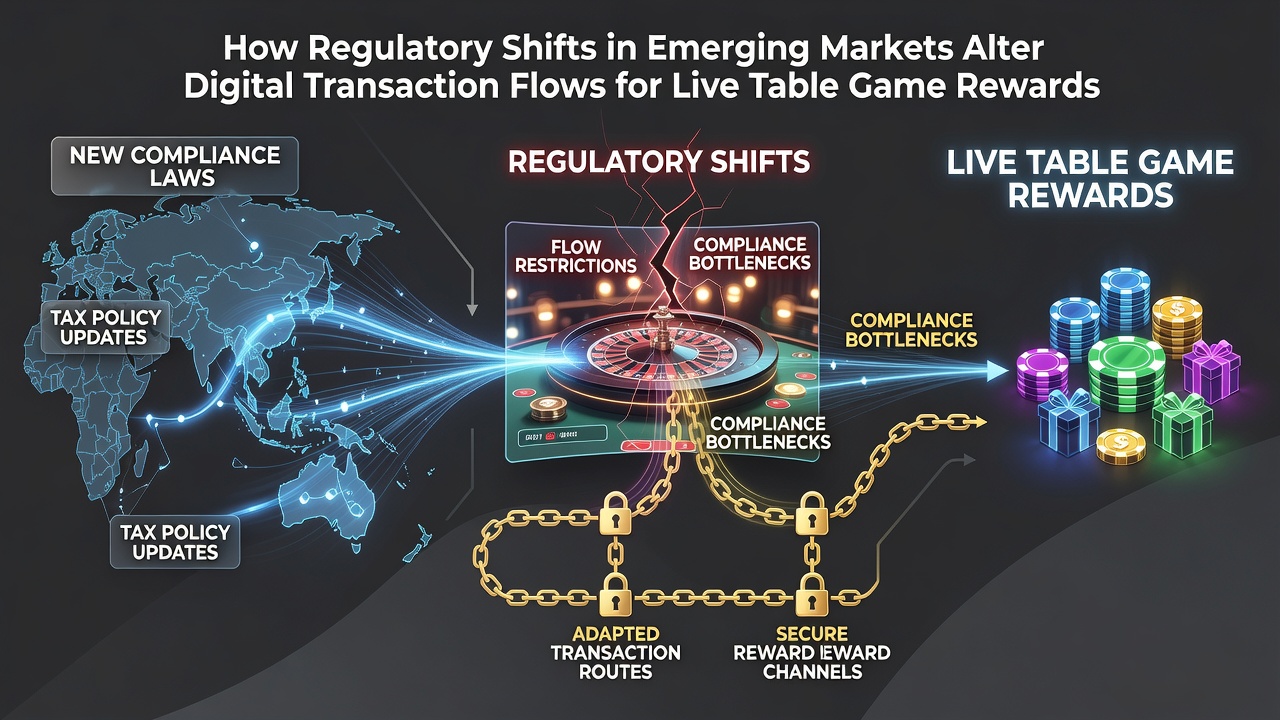
Regulatory frameworks across emerging markets continue to evolve and these changes directly influence how digital payments move through live table game reward systems. Governments in regions such as Latin America, Southeast Asia, and parts of Africa have introduced new licensing rules, tax reporting requirements, and digital currency guidelines that affect operators and players alike. Data from central banks and gaming authorities show that transaction volumes for reward redemptions often shift when compliance standards tighten, prompting platforms to reroute funds through approved channels while maintaining service continuity.
Key Regulatory Developments Across Regions
Brazilian authorities implemented updated payment processing standards in early 2026 and these measures require real-time reporting for all digital transfers tied to gaming rewards. Operators responded by integrating certified gateways that comply with central bank oversight, which altered settlement times for live table game bonuses from hours to same-day processing in many cases. Similar patterns appear in Vietnam where the Ministry of Finance adjusted foreign transaction caps, forcing platforms to segment reward payouts into smaller increments that align with local banking limits.
Kenya's gaming and betting regulatory board introduced mandatory digital wallet verification steps in mid-2026 and these protocols slowed initial reward claims but reduced chargeback rates over subsequent quarters according to industry reports. Observers note that such verification layers add friction yet they also stabilize transaction flows by filtering out non-compliant accounts before funds reach live dealer tables.
Effects on Digital Transaction Flows
Transaction patterns reveal clear adaptations when rules change. Platforms often consolidate reward distributions through regional financial hubs that already meet international compliance benchmarks, which shortens some cross-border routes while lengthening others that previously relied on less regulated corridors. Research from payment infrastructure studies indicates that average processing fees for live table game incentives rose modestly in markets with new reporting mandates because operators absorbed additional audit costs and passed portions along through adjusted fee structures.
Live dealer environments face particular pressure since real-time play requires instant reward notifications and seamless balance updates. When regulations mandate segregated accounts for player funds, operators must maintain separate ledgers that track promotional credits separately from deposits, and this separation adds steps to every reward redemption cycle. Figures from transaction monitoring services show a measurable uptick in multi-step verification sequences during peak evening hours when live tables see highest activity.

Case Examples from Specific Markets
One documented shift occurred after Colombia updated its online gaming tax collection system in late 2025, requiring operators to route reward-related transfers through government-approved processors. Transaction logs from that period demonstrate that reward claim completion rates dipped temporarily before recovering as new integrations stabilized. Meanwhile in India, state-level variations in digital payment policies created patchwork requirements that operators addressed by offering region-specific reward wallets, each calibrated to local rules on foreign exchange and data localization.
July 2026 brought additional clarity in several jurisdictions when new digital asset guidelines took effect, and these updates explicitly addressed how cryptocurrency-backed rewards must convert to local currency before distribution. Platforms adjusted their live table game systems accordingly, inserting conversion checkpoints that extended settlement windows by one to two business days in affected markets. Industry data compiled by regional gaming associations reflect these timeline changes without indicating overall volume declines.
Adaptations in Reward System Design
Operators have modified reward structures to accommodate regulatory constraints while preserving player engagement. Tiered bonus systems now incorporate compliance checkpoints at each level, and automated alerts notify users when additional documentation is needed for larger redemptions. Payment flow diagrams from platform audits illustrate how reward credits move through escrow-style accounts that release funds only after regulatory thresholds are satisfied.
Those who monitor these systems report that live table game rewards increasingly rely on hybrid models combining instant micro-rewards with delayed larger payouts. This approach satisfies speed expectations for smaller wins while meeting extended verification periods demanded by updated rules. Evidence from multiple emerging markets suggests that such segmentation reduces compliance violations and maintains smoother overall transaction throughput.
Conclusion
Regulatory shifts in emerging markets continue to recalibrate digital transaction flows tied to live table game rewards through new reporting rules, verification layers, and settlement requirements. Central bank data and operator logs show measurable adjustments in processing times and routing choices yet overall system functionality persists as platforms integrate compliant pathways. These developments reflect ongoing alignment between local oversight priorities and the technical demands of real-time gaming environments across diverse geographic regions.