Regional Tax Structures and Their Influence on Slot Machine Return Rates in Emerging Markets
Amir Coleman · May 29, 2026
Regional Tax Structures and Their Influence on Slot Machine Return Rates in Emerging Markets
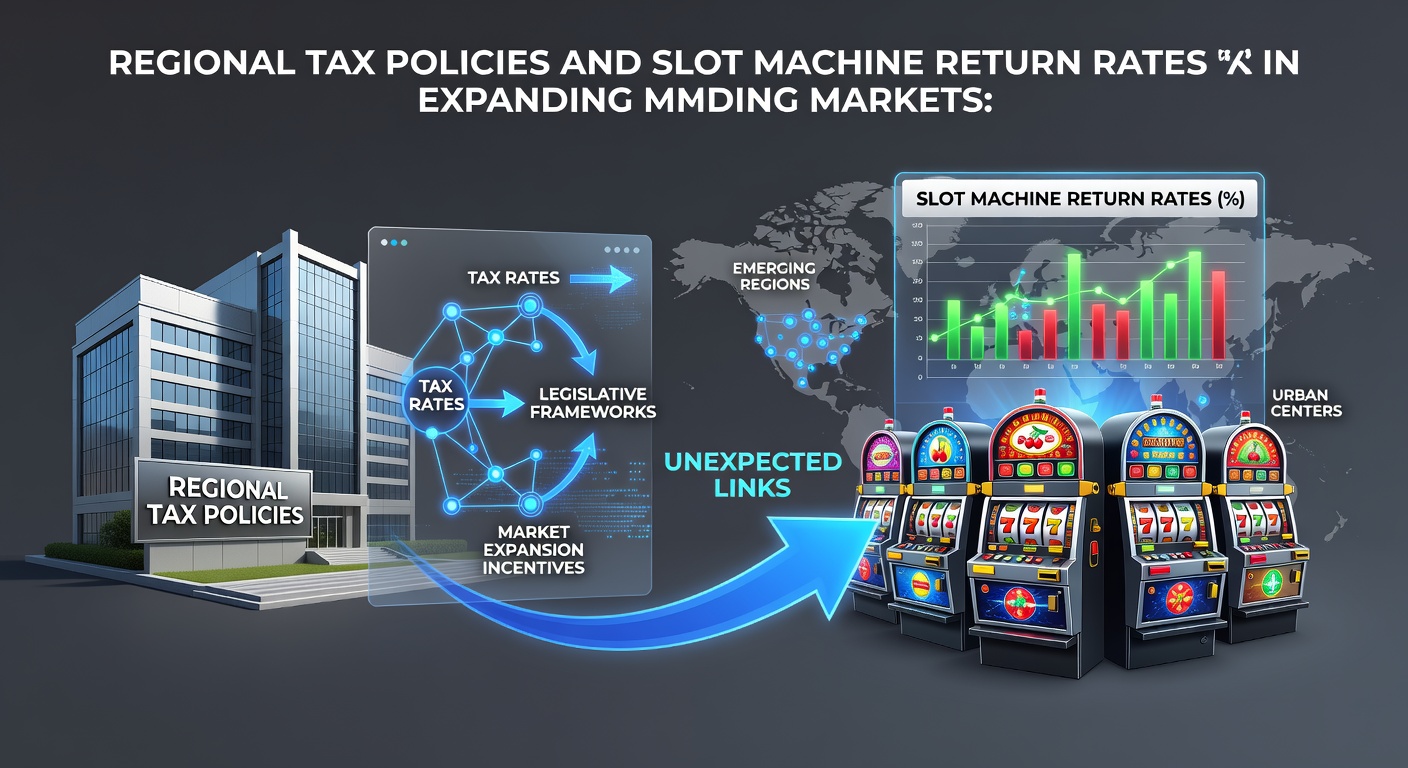
Regional tax policies create measurable effects on slot machine return to player percentages in markets undergoing legalization and expansion, with operators adjusting payout structures to balance regulatory costs against revenue targets. Data from multiple jurisdictions shows that tax rates imposed on gross gaming revenue often correlate with modifications in machine programming and floor management strategies.
Tax Rate Variations Across Expanding Jurisdictions
States and provinces introducing commercial gaming since 2020 have implemented tax schedules ranging from 15 percent to 40 percent on slot revenue, and these differences prompt operators to recalibrate machine settings accordingly. In one Midwestern U.S. state that opened its first casinos in 2023, the initial 25 percent tax on gross gaming revenue led several properties to set base return rates between 90 and 92 percent for standard reel machines. Observers note that neighboring jurisdictions with lower rates maintained averages closer to 94 percent during the same period.
Similar patterns appear in Australian states that expanded electronic gaming machine licenses between 2021 and 2025. Queensland and New South Wales apply distinct levy structures, and figures from state gaming authorities indicate that higher supplementary taxes coincide with tighter control over progressive jackpot contributions and bonus round frequencies. Operators in these regions document adjustments that keep overall returns within narrow bands while satisfying both tax obligations and player volume requirements.
Operational Adjustments in Response to Fiscal Pressure
Property managers respond to elevated tax burdens by reviewing machine mix, software configurations, and promotional allocations rather than absorbing full cost increases. Research from the University of Nevada, Las Vegas Center for Gaming Research demonstrates that properties facing combined state and local rates above 30 percent frequently reduce the number of high-denomination machines with elevated return percentages. Instead, they emphasize volume-driven titles with moderate returns that sustain handle even when individual payout percentages decline slightly.
Canadian provinces provide another data set. Ontario and British Columbia introduced online and retail slot expansions in recent years under differing tax frameworks, and regulatory filings reveal that operators in higher-tax segments allocate fewer resources to wide-area progressive networks. These networks typically carry higher return percentages because of their jackpot components, yet the added tax exposure makes them less attractive when marginal revenue must cover increased levies.
Market Expansion Timing and Policy Interactions
New market entrants often finalize tax agreements during legislative processes that occur well before opening dates. In May 2026 several additional U.S. states are scheduled to activate sports wagering and limited slot operations under frameworks established in prior sessions, and preliminary operator filings indicate planned return percentages that reflect the final tax language passed in each jurisdiction. Analysts tracking these developments point out that markets approving lower effective rates have attracted more premium slot products during initial licensing rounds.
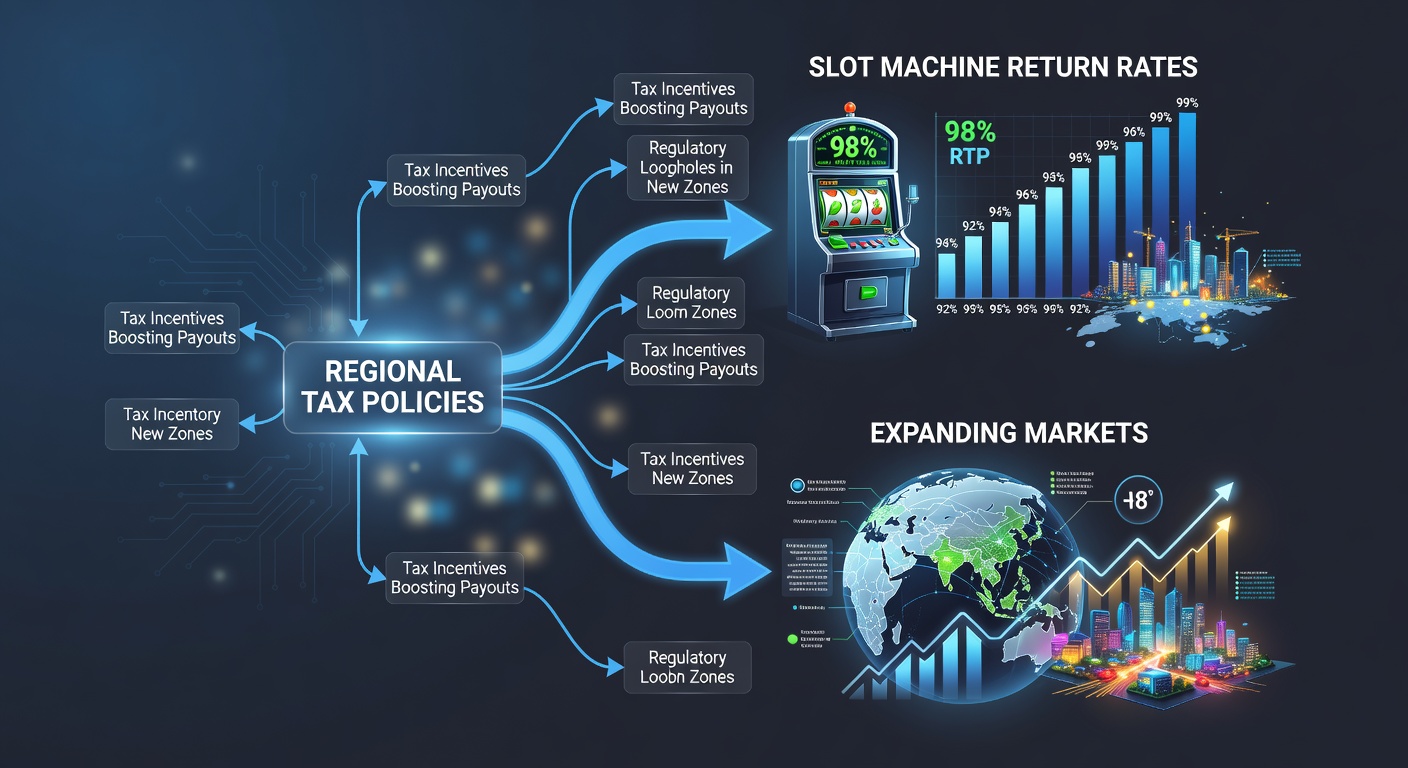
Asian markets undergoing controlled liberalization follow comparable logic. Singapore maintains a tiered tax system on both gross gaming revenue and entry levies, while certain Japanese prefectures preparing integrated resort bids have published draft taxation schedules that prospective operators must incorporate into financial models. Early projections from industry groups suggest that return percentages for machines in these venues will sit below those observed in lower-tax Southeast Asian locations that already operate large slot floors.
Data Patterns from Regulatory Reports
Publicly available filings from gaming control boards across multiple regions allow direct comparison of tax rates against reported average returns. A review of three consecutive years of data from one North American jurisdiction found an inverse relationship between marginal tax increases and the percentage of machines programmed above 93 percent return. The same dataset showed that promotional givebacks and loyalty point structures expanded in higher-tax environments as operators sought to maintain player time on device without raising base return percentages.
Industry associations such as the American Gaming Association compile annual surveys that track these variables across states, and their aggregated figures reveal consistent regional clustering. Markets with tax rates clustered between 15 and 20 percent tend to advertise wider ranges of high-return machines, whereas those above 30 percent concentrate marketing efforts on game themes, bonus features, and tournament structures rather than raw payout percentages.
Conclusion
Regional tax policies continue to shape slot machine return rates in expanding markets through direct cost pressures that influence operator programming decisions and product selection. Evidence from regulatory filings, academic studies, and industry surveys documents measurable differences tied to tax structures rather than to player demand alone. As additional jurisdictions finalize licensing and taxation terms ahead of 2026 openings, further documentation of these relationships will become available through standard reporting channels.