Payment Pathways and Performance Patterns in Mobile Live Gaming
Elena Griffin · Jun 12, 2026

Payment Pathways and Performance Patterns in Mobile Live Gaming
Portable live gaming has expanded rapidly since 2024, and analysts continue tracking how different transaction methods align with key performance indicators such as session duration, average bet size, and completion rates for bonus rounds. Data collected across multiple platforms show distinct patterns emerging when users rely on digital wallets versus traditional card payments or instant bank transfers, while the June 2026 updates from several regional regulators further highlighted these trends in handheld environments.
Common Transaction Methods in Handheld Live Play
Players access live dealer tables on smartphones and tablets through several funding routes, each carrying its own processing speed and visibility within game interfaces. Digital wallets remain the most frequently selected option because they integrate directly with device biometrics, allowing deposits to complete in under ten seconds during active rounds. Credit and debit cards follow closely, though they often require an additional authentication step that interrupts flow for some users. Bank transfers via open banking protocols have gained traction in markets where instant settlement is available, yet these methods still represent a smaller share of total volume compared with wallet-based transactions.
Performance Metrics Tracked by Operators
Operators monitor a range of indicators to evaluate engagement and revenue efficiency. Session length measures the average minutes spent at a live table before a player logs off or switches games. Bet frequency records how many wagers occur per minute once a table loads, while return-to-player alignment tracks whether actual outcomes match expected percentages during specific payment windows. Retention after first deposit and the rate at which players activate in-game promotions also appear in regular reports, and these figures receive regular cross-referencing with payment type data.
Observed Correlations in Recent Datasets
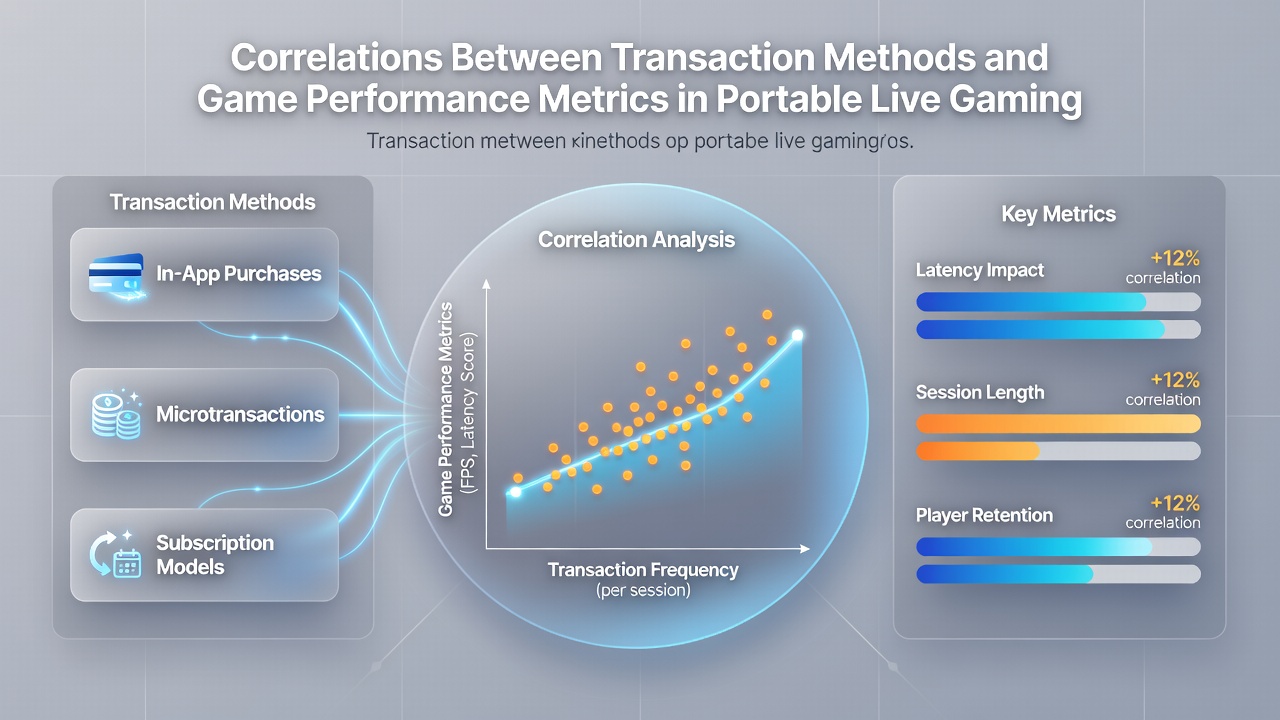
Research compiled by the International Center for Gaming Regulation at the University of Nevada shows that sessions funded through digital wallets average 14 percent longer than those initiated with credit cards in live blackjack and roulette environments. The same dataset indicates bet frequency rises when instant bank transfers are used, yet average wager amounts tend to stabilize rather than increase. Observers note that wallet-funded sessions also correlate with higher rates of bonus round completion, possibly because the seamless deposit process keeps players at the table through multiple rounds without interruption. In contrast, card-based deposits sometimes coincide with shorter sessions and lower promotion uptake, though these patterns vary by region and device type.
Regional Data Snapshots from Mid-2026
Figures released in June 2026 by the Australian Gambling Research Centre revealed that wallet transactions accounted for 68 percent of live mobile activity in monitored markets, and those sessions produced a 9 percent higher average session value compared with other methods. Canadian provincial reports issued around the same period documented similar outcomes for baccarat tables, where open banking transfers linked to longer play intervals yet lower per-hand stakes. European operators contributing to the same round of industry summaries reported that debit card usage remained steady while wallet preference continued climbing, particularly among users aged 25 to 34.
Factors That Shape These Relationships
Device compatibility, network latency, and the presence of one-click payment tokens all influence how transaction choice affects gameplay flow. When a wallet supports direct table-side funding without leaving the app, players maintain focus on card dealing sequences and dealer interactions. Platforms that embed transaction confirmations within the game view reduce drop-off between deposit and first wager. Security settings and spending limits attached to each method also play a role, because users who encounter friction at the payment stage often end sessions earlier than those who encounter none. Studies from the Responsible Gambling Council in Canada further indicate that these technical elements combine with player demographics to produce the measured correlations.
Implications for Platform Development
Developers respond to these patterns by prioritizing wallet integrations and testing new instant transfer options across live dealer titles. A/B testing conducted on major platforms in early 2026 demonstrated that adding biometric wallet confirmations increased both session length and the number of hands played per visit. At the same time, operators continue refining how performance dashboards display payment-linked metrics so that adjustments to table minimums or bonus structures can be made with greater precision. The result is an ongoing feedback loop where transaction design and gameplay data inform each other directly.
Conclusion
Available evidence establishes measurable links between the transaction methods players select and the performance metrics recorded during portable live gaming sessions. Digital wallets tend to align with extended play intervals and higher bonus engagement, while other funding routes produce different but consistent statistical signatures across markets. As June 2026 data and subsequent reports continue to arrive, these correlations remain central to how platforms optimize both payment flows and live table experiences.