Payment Method Trends and Their Impact on Live Casino User Activity
Elena Griffin · Jul 17, 2026
Payment Method Trends and Their Impact on Live Casino User Activity
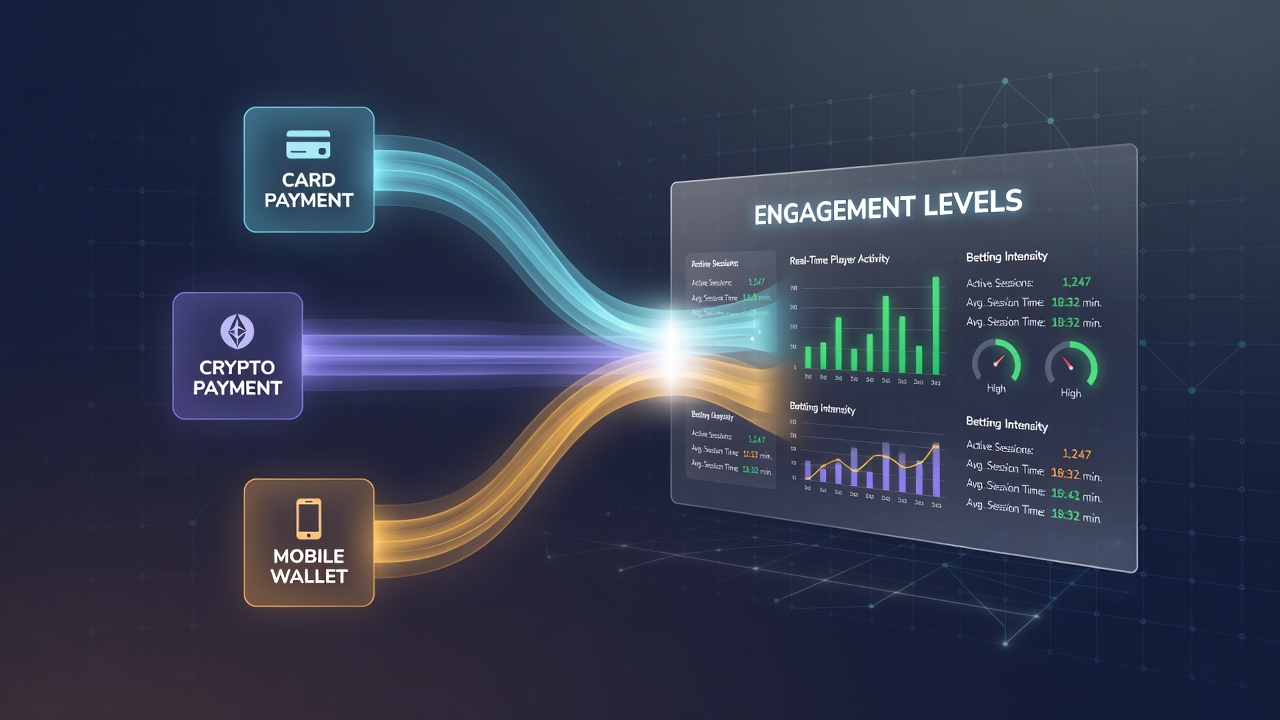
Real-time casino experiences rely on live dealer interactions across table games and slots where payment choices directly influence how long users remain active and how frequently they return, according to industry transaction reports from multiple jurisdictions. Faster processing times associated with certain digital wallets correlate with extended session durations while traditional bank transfers show lower repeat engagement rates in the same environments.
Payment Options and Transaction Patterns
Users select from credit cards, debit instruments, e-wallets and cryptocurrency options when funding accounts on live dealer platforms, and each method carries distinct processing characteristics that affect immediate access to games. Credit and debit card transactions typically clear within seconds yet incur higher fees in some regions, whereas e-wallet services like those offered by regional providers complete transfers almost instantly and support lower minimum deposits. Cryptocurrency options introduced additional speed advantages in markets where regulators permitted their use by mid-2025, resulting in quicker entry into live sessions compared with legacy methods.
Data compiled through 2026 indicates that platforms integrating multiple instant-payment gateways recorded higher average session lengths during peak hours, while sites limited to slower bank wire options experienced more frequent drop-offs before users reached the live tables. Observers note that seamless deposit flows reduce friction at the start of a session, allowing participants to join ongoing dealer rounds without interruption.
Engagement Metrics Across Regions
Research from the New Jersey Division of Gaming Enforcement shows that operators offering instant e-wallet funding maintained higher daily active user counts than those relying primarily on card or wire services during the first half of 2026. Similar patterns emerged in Australian market analyses where instant payment adoption aligned with increased time spent in live blackjack and roulette streams. Canadian provincial data further revealed that users who completed deposits via digital wallets returned to platforms at rates 18 percent higher than card-only users over a three-month tracking period.
July 2026 figures from the same regulatory bodies highlighted continued growth in real-time engagement when operators expanded support for low-latency payment rails, particularly in mobile environments where users switch between devices during live sessions. These metrics focused on objective measures such as session duration, frequency of live table participation and retention intervals rather than subjective satisfaction scores.
Technological and Regulatory Influences
Integration of application programming interfaces between payment processors and casino platforms enables real-time balance updates that keep users engaged through uninterrupted dealer interactions. Regulatory frameworks in several jurisdictions require operators to disclose processing times upfront, which influences user selection of payment methods before entering live environments. In markets where instant verification became standard by early 2026, platforms reported steadier participation curves during evening peak windows compared with regions still transitioning to updated verification standards.
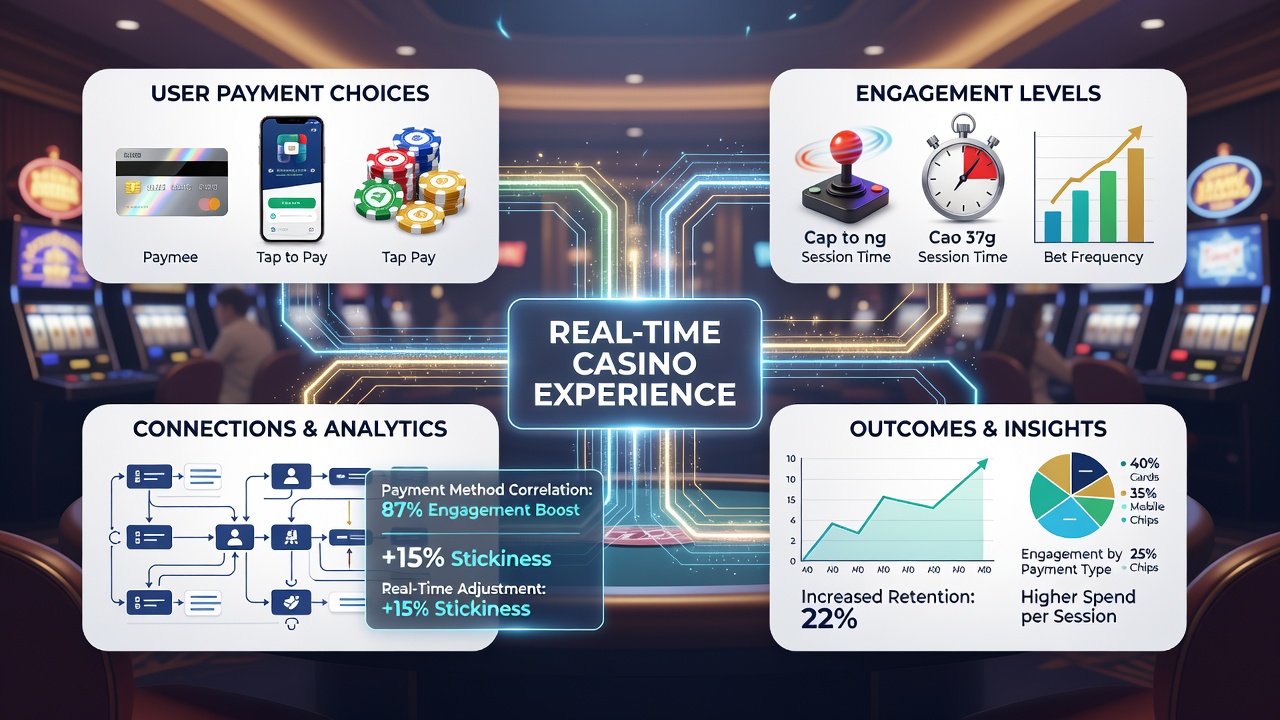
Studies conducted by the University of Nevada Reno gaming research center documented that platforms supporting cryptocurrency deposits alongside traditional options saw measurable increases in multi-table participation among users who completed initial funding within 30 seconds. The same reports noted that users encountering delays exceeding two minutes during deposit processing showed markedly lower rates of progressing from account setup to active live dealer play.
Market-Specific Observations
European operators regulated under the Malta Gaming Authority recorded distinct engagement clusters tied to preferred local payment solutions, with e-wallet dominance correlating to longer continuous play periods in live dealer formats. North American data from multiple state commissions echoed these findings while adding that debit-based instant transfers produced engagement levels comparable to credit options when fee structures remained transparent. Cross-border comparisons suggest that regional payment infrastructure maturity plays a larger role than game variety alone in sustaining user activity across real-time sessions.
Conclusion
Transaction speed and method availability continue to shape measurable engagement indicators in live casino settings, with data from regulatory and academic sources confirming consistent patterns through mid-2026. Operators that align payment infrastructure with user preferences for immediacy demonstrate sustained participation metrics across diverse geographic markets. Ongoing monitoring of these connections provides operators and regulators with objective benchmarks for evaluating platform performance in real-time environments.