Payment Channel Choices Shaping Realized Returns in Wireless Live Table Sessions
Otto Krüger · Aug 23, 2026
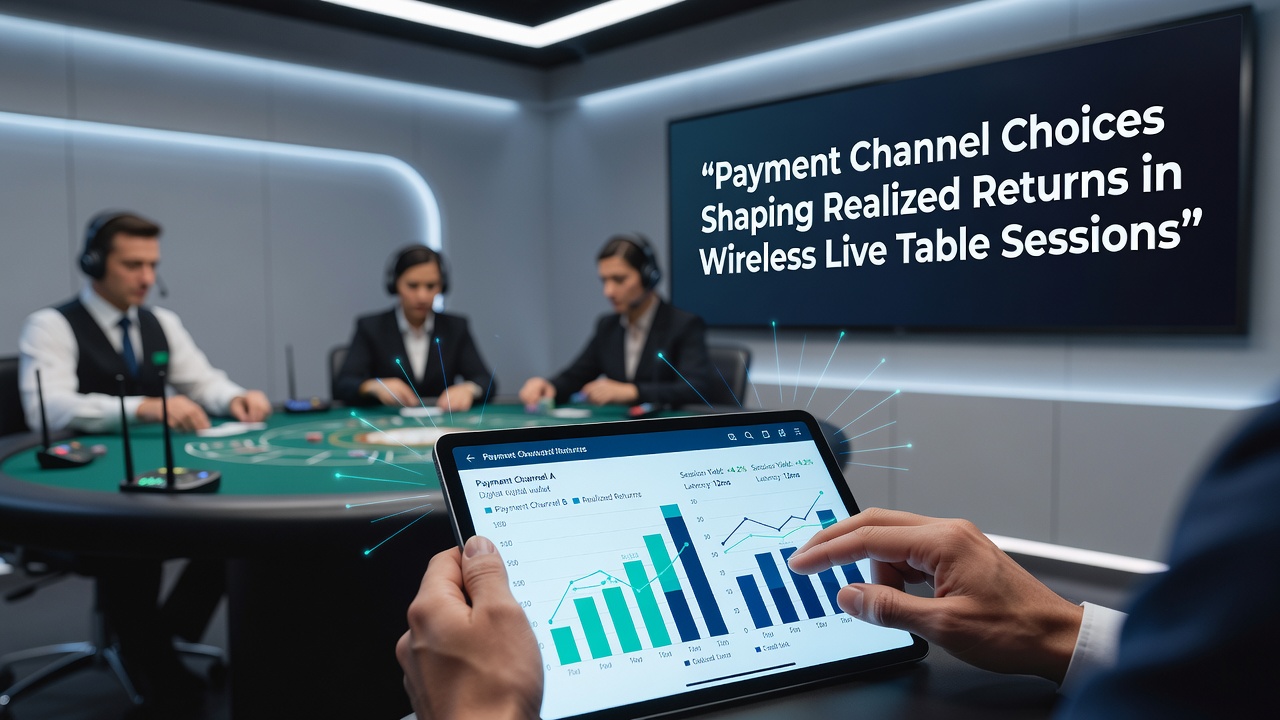
Payment Channel Choices Shaping Realized Returns in Wireless Live Table Sessions
Payment channel selections have emerged as a key variable influencing realized returns for participants in wireless live table sessions across mobile platforms, where transaction costs, settlement times, and integration with game mechanics combine to affect net outcomes, according to industry reports. Observers note that electronic fund transfers, digital wallets, and bank-linked methods each carry distinct fee structures and processing characteristics that directly impact the final amounts retained after play concludes. Data from regulatory filings shows these differences become particularly pronounced in live dealer environments that operate on wireless networks, where session durations and real-time decision points leave little room for delays or unexpected deductions.
Wireless live table sessions typically involve games such as blackjack, roulette, and baccarat delivered through mobile applications, and payment channels determine how deposits convert into playable credits as well as how withdrawals return funds to users. Research indicates that channels with lower per-transaction fees preserve higher portions of initial stakes, while slower processing options may expose players to market fluctuations or bonus expiration windows. Figures from multiple jurisdictions reveal that participants using instant settlement methods often record higher realized returns over extended sessions compared to those relying on traditional banking routes that impose multi-day holds.
Transaction Characteristics Across Common Channels
Electronic wallets generally process deposits within seconds and support immediate credit availability, yet they sometimes apply percentage-based fees that reduce the effective starting balance before the first hand or spin begins. Bank transfers, by contrast, avoid some percentage fees but introduce fixed costs plus delays that can extend beyond 24 hours, during which time promotional offers tied to deposit timing may lapse. Cryptocurrency options have gained traction in certain markets because blockchain confirmations occur rapidly while bypassing conventional banking intermediaries, although volatility in coin values adds another layer to realized return calculations. Studies compiled by academic researchers demonstrate that these variations produce measurable differences in net player retention rates when tracked across thousands of wireless sessions.
As of August 2026, updated transaction logs from several North American operators highlight a continued shift toward hybrid channels that combine wallet speed with bank-level security protocols. Those who've analyzed aggregated data note that average realized returns improve when players select channels matching their session length and withdrawal frequency patterns. For instance, short wireless sessions benefit from zero-fee instant methods, whereas longer engagements show better outcomes with channels offering volume-based rebates.
Regulatory Data and Performance Patterns
Regulatory bodies in multiple regions compile anonymized performance metrics that connect payment channel usage to return percentages in live mobile environments. The New Jersey Division of Gaming Enforcement publishes periodic summaries that track how deposit methods correlate with player outcomes in licensed wireless table offerings. Similar reporting from Canadian provincial authorities illustrates parallel trends, where channel choice influences both bonus eligibility and final cash-out amounts. Industry organizations such as the Canadian Gaming Association have compiled comparative studies showing that regions with diverse payment infrastructure tend to exhibit wider variation in realized returns across user segments.
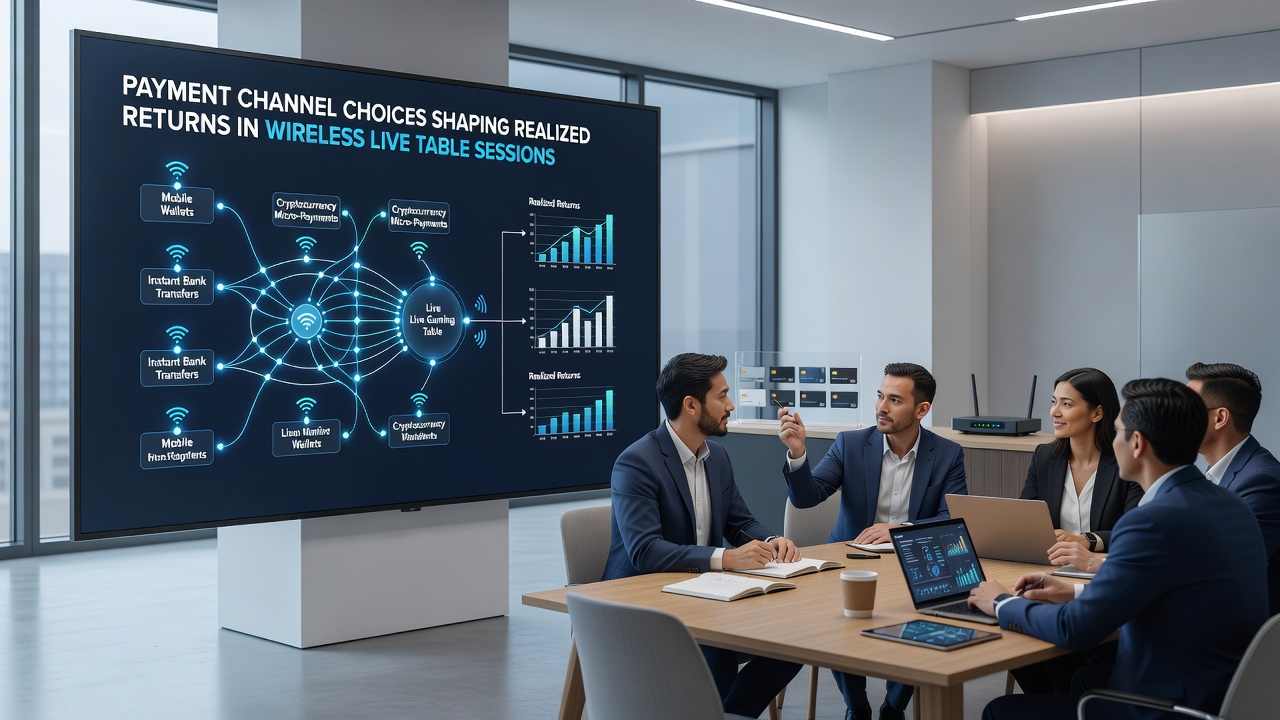
One analysis of wireless session data revealed that players utilizing prepaid card channels encountered additional conversion steps that occasionally triggered extra fees, lowering overall returns by measurable margins compared to direct bank integrations. In contrast, those who routed funds through established digital wallet providers experienced smoother credit application and fewer interruptions during active play periods. Researchers at several universities have begun examining these patterns through large-scale datasets, noting that the effect compounds when live table sessions incorporate side bets or progressive elements whose outcomes depend on uninterrupted credit balances.
Wireless Network Factors and Channel Integration
Wireless connectivity introduces additional variables because intermittent signals can interrupt payment confirmations mid-process, leading some channels to impose retry fees or temporary holds. Live table sessions demand continuous synchronization between the mobile device and the dealer interface, so payment methods that complete authorization before game start minimize disruptions. Observers have documented cases where delayed wallet verifications caused players to miss betting windows, effectively reducing participation opportunities and altering expected returns. Data indicates that channels with offline-capable pre-authorization features perform better under variable network conditions common to mobile usage.
Payment channel providers have responded by embedding APIs directly into gaming applications, allowing real-time balance updates without leaving the live table screen. This integration reduces friction and supports higher session continuity, which in turn correlates with improved realized returns according to operator performance dashboards. Those monitoring industry developments point out that operators offering multiple channel options within a single wireless session see higher engagement metrics, as participants can switch methods based on current network stability or fee sensitivity.
Conclusion
Payment channel choices continue to shape realized returns in wireless live table sessions through a combination of fee structures, processing speeds, and compatibility with mobile network conditions. Aggregated data from regulatory and academic sources demonstrates consistent patterns across different jurisdictions and operator types. As wireless infrastructure evolves and new channel options emerge, the relationship between payment selection and net outcomes remains a central consideration for anyone examining performance in these environments. Continued monitoring of transaction logs and session metrics will provide further clarity on how these factors interact over time.