Mapping Cryptocurrency Transaction Trails for Bonus Activation in Live Mobile Dealer Tables
Amir Coleman · Jun 7, 2026
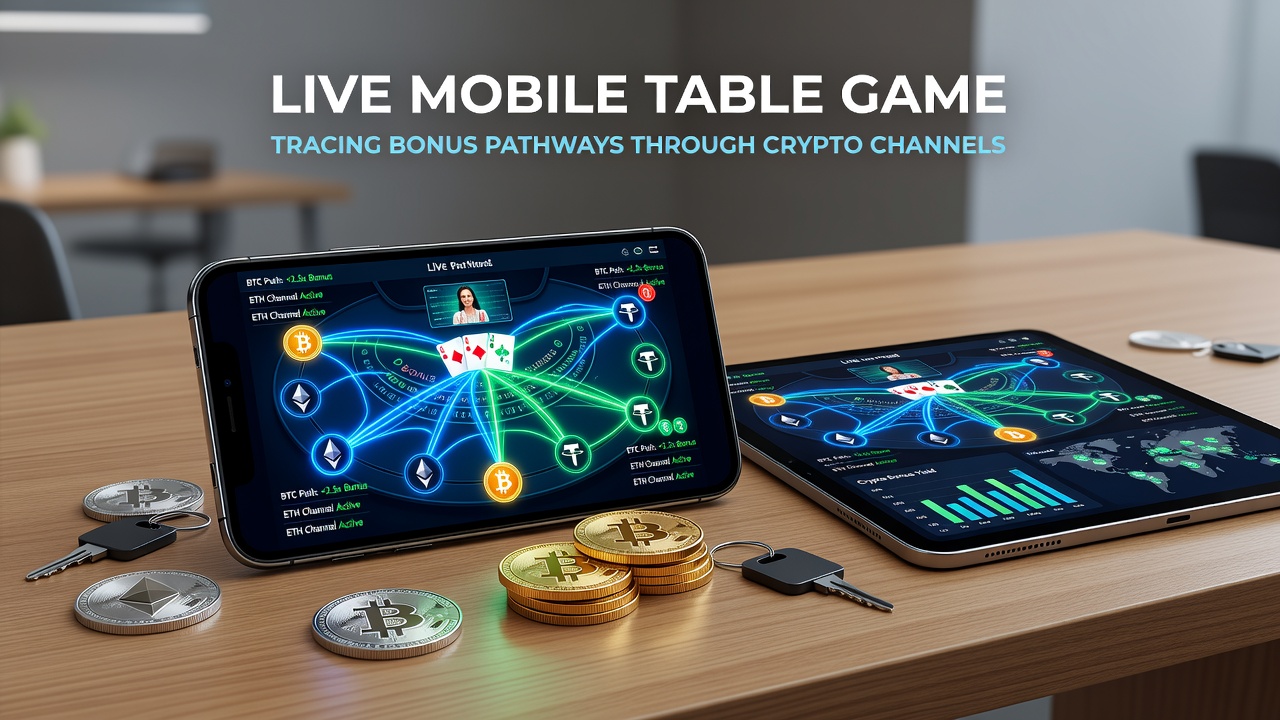
Mapping Cryptocurrency Transaction Trails for Bonus Activation in Live Mobile Dealer Tables
Live mobile table games such as blackjack and roulette now incorporate cryptocurrency options for bonus handling and these systems rely on transparent ledger entries that allow operators and regulators to follow fund movements from deposit through wagering requirements to withdrawal. Blockchain networks record each transfer with timestamps and wallet addresses which creates an auditable path that differs from traditional banking rails where intermediaries obscure details. Mobile applications integrate these ledgers directly into game clients so that bonus credits appear in real time while players remain connected to live dealer streams.
Bonus Structures in Mobile Live Table Environments
Operators issue match bonuses or free bet credits tied to specific table game activity and these promotions carry playthrough conditions measured in bet volume rather than time. In June 2026 several platforms adjusted their bonus ledgers to accommodate faster confirmation times on networks like Solana and Polygon which reduced average activation delays from minutes to seconds. Research indicates that such changes align with rising volumes of mobile live dealer sessions where players switch between devices mid-session without losing bonus eligibility tracking.
Those who study transaction patterns note that bonus pathways often split across multiple wallet addresses when operators use hot and cold storage arrangements for security. Each split generates a new on-chain record that compliance teams review through automated monitoring tools. This segmentation helps isolate funds allocated to promotional play from operational reserves yet it also increases the number of data points that must align during audits.
Tracing Mechanisms Through Crypto Channels
Public blockchains permit observers to reconstruct sequences of transfers by querying transaction hashes linked to player accounts. Software dashboards used by gaming companies overlay these hashes onto bonus ledgers so that any deviation from expected wagering paths triggers alerts. Data shows that the majority of disputes involving uncredited bonuses resolve once both parties examine the same immutable entries rather than relying on internal database snapshots alone.
Live dealer platforms further embed smart contract triggers that release or withhold bonus portions based on real-time game outcomes. A player who meets a 20-times playthrough requirement on roulette bets for example sees the remaining locked amount decrease automatically after each qualifying spin because the contract reads the bet log and updates the balance on-chain. This automation reduces manual reconciliation steps that previously extended settlement windows by days.

Integration With Regulatory Reporting
Authorities in multiple jurisdictions require operators to supply exportable transaction logs that include both off-chain game data and on-chain cryptocurrency movements. The Malta Gaming Authority published updated technical standards in early 2026 that mandate inclusion of wallet addresses and confirmation block numbers in monthly compliance submissions. Similar requirements appear in Canadian provincial frameworks where iGaming Ontario references blockchain audit trails as acceptable evidence during routine reviews.
Industry associations such as the European Gaming and Betting Association have compiled case examples where rapid tracing prevented bonus abuse across borders. These examples illustrate how a single suspicious deposit can be followed through successive table game rounds until the funds exit via a different network or exchange. The resulting reports feed into broader efforts to align anti-money laundering rules with the technical realities of decentralized finance tools.
Mobile-Specific Considerations
Smartphone applications must balance low latency for live video feeds with the computational overhead of checking blockchain states. Developers achieve this by caching recent confirmations locally and refreshing only when network conditions permit. Studies from academic research groups at institutions focused on digital finance highlight that packet loss during mobile handoffs rarely disrupts bonus tracking because reconciliation occurs server-side once connectivity resumes.
Players who initiate deposits via QR code scans on their devices generate entries that link directly to the session identifier used by the live dealer software. This linkage allows support teams to match a delayed on-chain confirmation with an active table game without requiring the player to restart the session. Observers note that such seamless connections have contributed to higher retention rates in markets where cryptocurrency adoption among mobile users exceeds 30 percent of total deposits.
Conclusion
Blockchain transparency combined with automated smart contract logic now underpins the majority of bonus handling in live mobile table game environments. Regulatory updates scheduled through 2026 continue to emphasize exportable audit trails that encompass both game logs and cryptocurrency movements. These developments enable precise tracing of funds from initial deposit through wagering completion to eventual payout while supporting the operational demands of real-time dealer interactions on handheld devices.