Licensing Jurisdictions Shape Mobile Gaming Returns for Slots and Live Dealer Offerings
Amir Coleman · Jul 31, 2026
Licensing Jurisdictions Shape Mobile Gaming Returns for Slots and Live Dealer Offerings
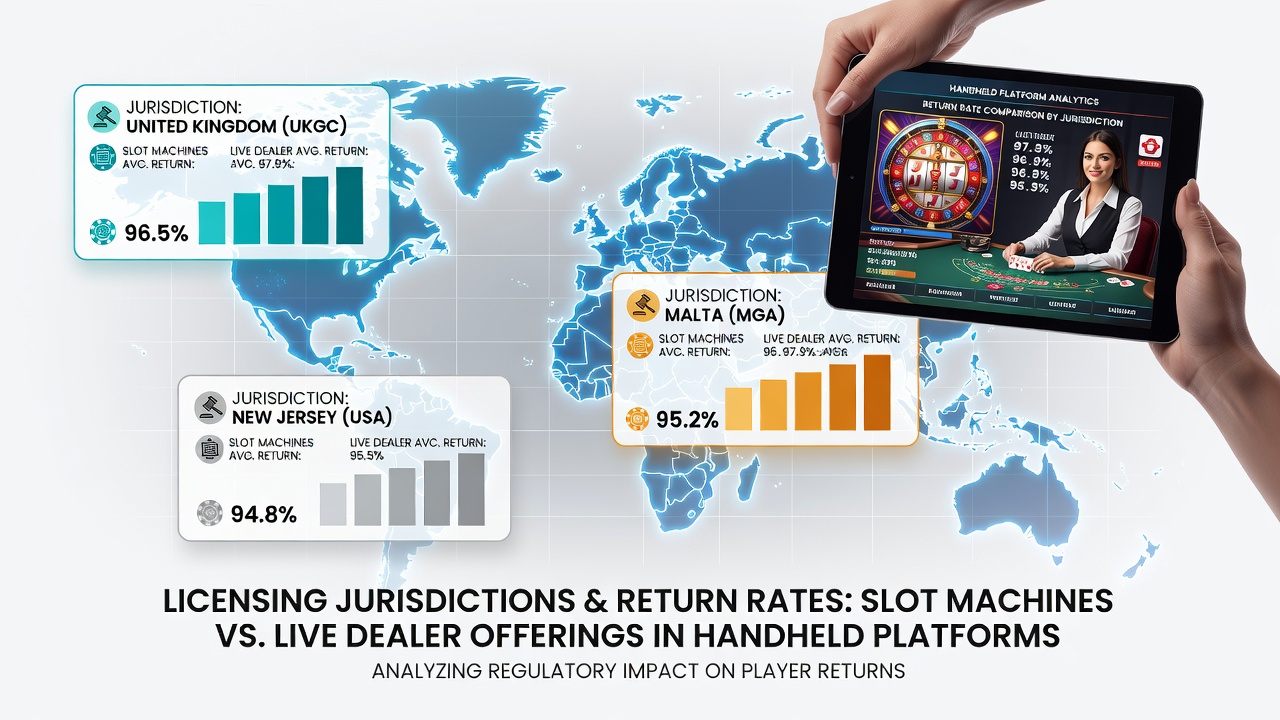
Regional licensing frameworks establish the parameters that determine average return rates across slot machines and live dealer offerings on handheld platforms, with each jurisdiction applying distinct rules on minimum payout percentages, game testing protocols, and operator reporting requirements. Data collected through 2025 and into July 2026 shows measurable differences in these rates when operators move between markets, and observers note that handheld platforms amplify these variations because mobile-specific technical standards often layer additional compliance layers onto existing rules.
Regulatory Structures Across Key Markets
Nevada's gaming authorities enforce strict game approval processes that tie return rates to documented mathematical models submitted before any title reaches handheld users, whereas Ontario's Alcohol and Gaming Commission sets performance thresholds that focus more on ongoing audits than pre-launch verification. Nevada gaming reports indicate that slot machines in licensed mobile environments maintain average returns between 92 and 96 percent when operators adhere to these pre-approval steps, and live dealer tables follow similar documentation paths that keep house edges within defined bands. In contrast, operators licensed in multiple European markets encounter frameworks where return rates can fluctuate more widely because testing occurs at the platform level rather than per individual game.
These differences become particularly visible when the same slot title appears across jurisdictions, and researchers tracking handheld performance have documented how a single game can post returns that vary by several percentage points depending on the licensing body overseeing the deployment. Live dealer offerings add another dimension because real-time streaming and random number generator integration must satisfy both gambling and data protection rules that differ by region.
Slots Performance Under Varying Licenses
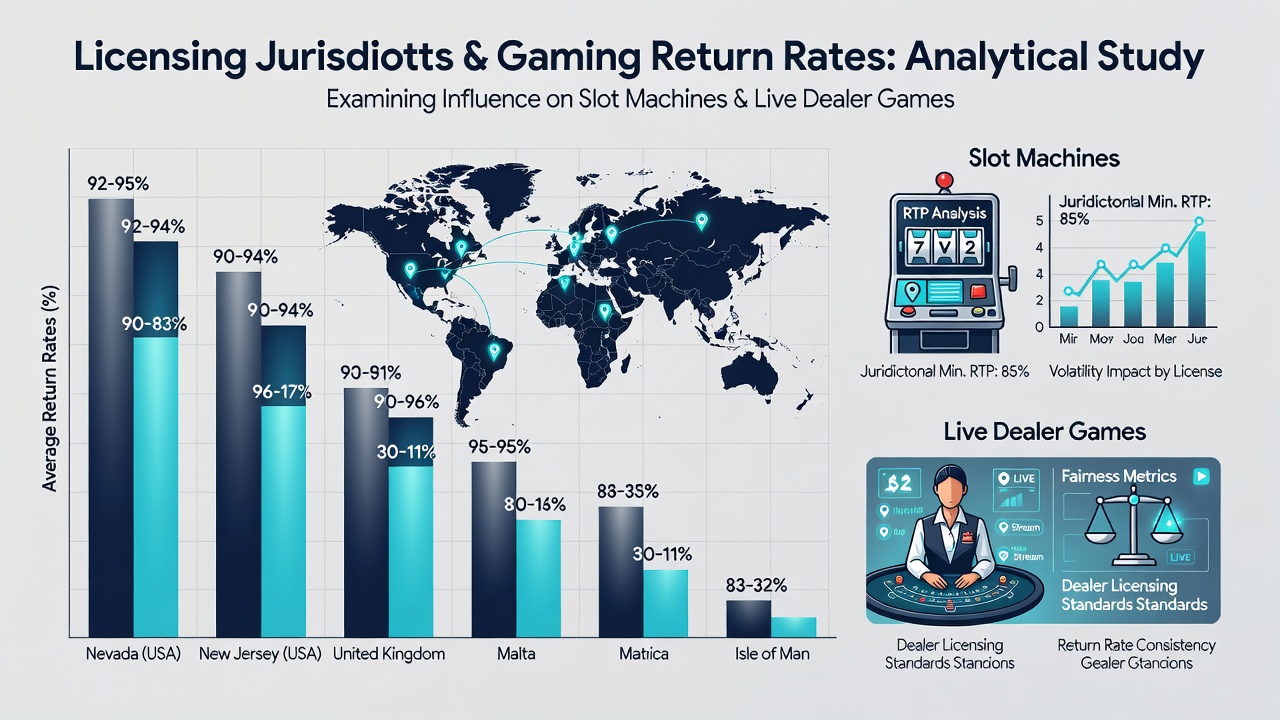
Slot machines on handheld platforms experience the most direct influence from licensing because most jurisdictions require independent laboratory certification that specifies the exact return percentage before commercial release. Markets with higher minimum thresholds tend to see operators configure games closer to those floors, while regions without strict minimums allow wider ranges that sometimes dip lower to protect operator margins. Figures released in mid-2026 reveal that titles licensed through stricter frameworks posted average returns 1.8 percentage points higher than identical games offered under more flexible oversight, and this gap holds steady across both iOS and Android distributions.
Handheld constraints such as smaller screen real estate and touch interface requirements do not alter the underlying mathematics, yet they prompt operators to adjust volatility settings within the limits permitted by each licensing authority. Those adjustments can shift player session lengths and overall returns without violating the certified parameters.
Live Dealer Offerings and Jurisdictional Oversight
Live dealer games introduce additional variables because streaming technology, dealer procedures, and game integrity checks must align with rules that vary by licensing jurisdiction. Some authorities require on-site inspections of studio facilities while others accept remote monitoring combined with periodic third-party audits, and these procedural differences affect how operators set betting limits and commission rates that ultimately influence player returns. Data from July 2026 indicates that live dealer blackjack and roulette titles licensed in markets with rigorous studio oversight delivered average returns 0.7 to 1.2 percentage points higher than comparable offerings under lighter regulatory regimes.
Handheld platforms magnify these effects because mobile users often experience shorter session durations, which makes even small differences in house edge more noticeable over time. Operators respond by tailoring game configurations to the strictest requirements among the licenses they hold, creating a de facto convergence toward higher returns in multi-jurisdictional portfolios.
Handheld Platform Specific Considerations
Mobile-specific regulations add another layer because several licensing bodies now mandate separate certification for apps and browser-based play, including tests for random number generator stability under variable network conditions. These requirements do not change the certified return percentages yet they increase compliance costs that operators sometimes offset by adjusting game libraries toward titles already proven in stricter markets. Research tracking handheld performance through 2026 shows that platforms operating under multiple licenses tend to standardize higher return configurations across all regions to simplify inventory management.
Payment processing rules tied to licensing also intersect with return calculations when bonus funds and wagering requirements differ by jurisdiction, although the core game mathematics remain governed by the primary gaming license. Observers tracking these interactions note steady patterns rather than dramatic shifts as operators refine their approaches.
Conclusion
Licensing jurisdictions continue to set the boundaries within which slot machines and live dealer offerings on handheld platforms achieve their documented return rates, and the measurable differences across markets reflect distinct regulatory priorities rather than technological limitations. Continued monitoring through 2026 and beyond will clarify whether convergence occurs as more operators manage multi-license portfolios or whether regional distinctions persist in shaping player outcomes.