Examining Connections Between Gaming Variety and Regulatory Developments in Authorized Digital Platforms
Ines Lange · Aug 14, 2026

Examining Connections Between Gaming Variety and Regulatory Developments in Authorized Digital Platforms
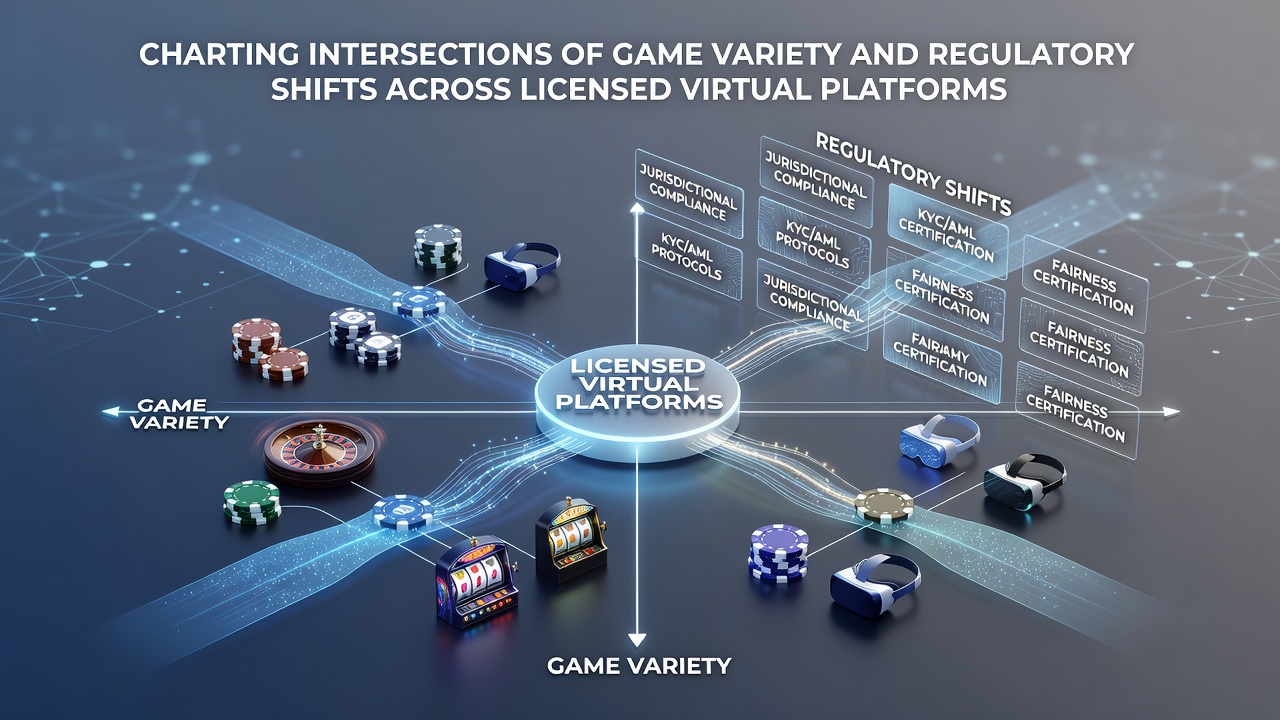
Observers note that licensed virtual platforms continue to expand their game offerings while regulatory frameworks adjust to accommodate new formats and technologies, and this process creates measurable intersections across multiple jurisdictions. Data from industry reports show that operators introduce additional titles such as live dealer variants, progressive jackpot networks, and interactive multiplayer experiences at the same time governments refine licensing conditions to address consumer protection standards and market access rules.
Expansion of Game Categories in Regulated Environments
Those who track platform inventories find that authorized sites now feature broader selections that include traditional table games alongside emerging digital formats, yet regulatory bodies impose specific requirements on how these options reach users. Studies compiled by research institutions indicate that jurisdictions in North America and Europe have updated approval processes for new game types since 2024, and these updates often require operators to demonstrate compliance with fairness testing protocols before launch. Figures released by the National Indian Gaming Commission reveal that tribal gaming operations integrated more than 200 additional virtual titles during the first half of 2025, while similar patterns appear in Australian markets where state regulators review each addition against existing harm minimization guidelines.
Regulatory Adjustments and Their Timing
Regulatory shifts frequently align with technological advancements in game delivery, and analysts document several policy changes scheduled for implementation around August 2026 across selected regions. Canadian provincial authorities, for instance, plan to introduce revised technical standards for live-streamed table games that mandate enhanced identity verification steps, and these measures coincide with the rollout of expanded virtual poker and blackjack libraries on licensed sites. European Commission documentation highlights that member states continue to harmonize rules on bonus structures tied to game variety, which affects how platforms present new releases to users in those markets.
Case Examples from Multiple Regions
One documented instance involves Ontario's Alcohol and Gaming Commission, which modified its game approval timeline in 2025 to handle increased submissions of hybrid slot and table formats, resulting in shorter review periods for compliant operators. Another example appears in New Jersey, where the Division of Gaming Enforcement updated reporting obligations for platforms that add virtual reality elements to existing game catalogs. Research from academic sources at the University of Nevada, Las Vegas, tracks how these layered requirements influence the pace at which variety grows within each licensed environment.
Interactions Between Licensing Conditions and Content Diversity
Evidence suggests that licensing conditions often specify caps or review thresholds tied directly to the number and type of games an operator may offer, and this creates direct links between regulatory language and platform catalogs. In several Australian states, authorities require annual audits that examine how new game additions align with responsible gaming commitments, while Canadian frameworks emphasize data sharing on player behavior across expanded libraries. Those who monitor these patterns note that operators adjust release schedules to match regulatory calendars, and such coordination appears in public filings from multiple jurisdictions.
Industry Data and Compliance Patterns
Industry associations such as the European Gaming and Betting Association publish periodic summaries that quantify game category growth against regulatory update cycles, and their 2025 overview shows steady increases in live dealer options alongside incremental policy refinements in several member countries. Similar tracking occurs through reports from the National Indian Gaming Commission, which records how tribal platforms incorporate regulatory feedback into new title deployments. These sources provide verifiable metrics without relying on operator self-reporting alone.
Conclusion
The intersections between game variety and regulatory shifts continue to shape licensed virtual platforms through structured approval processes, scheduled policy updates, and region-specific compliance requirements. Available records indicate that these dynamics will remain active through 2026 and beyond, with August 2026 marking targeted implementation dates in select markets that affect how operators expand their offerings. Comprehensive monitoring by regulatory agencies and research entities supplies ongoing data on these developments across North American, European, and Australian jurisdictions.