Efficiency Metrics in Digital Transfers Shaping Reward Redemption Patterns Across Mobile Live Dealer Platforms
Amir Coleman · Jun 21, 2026
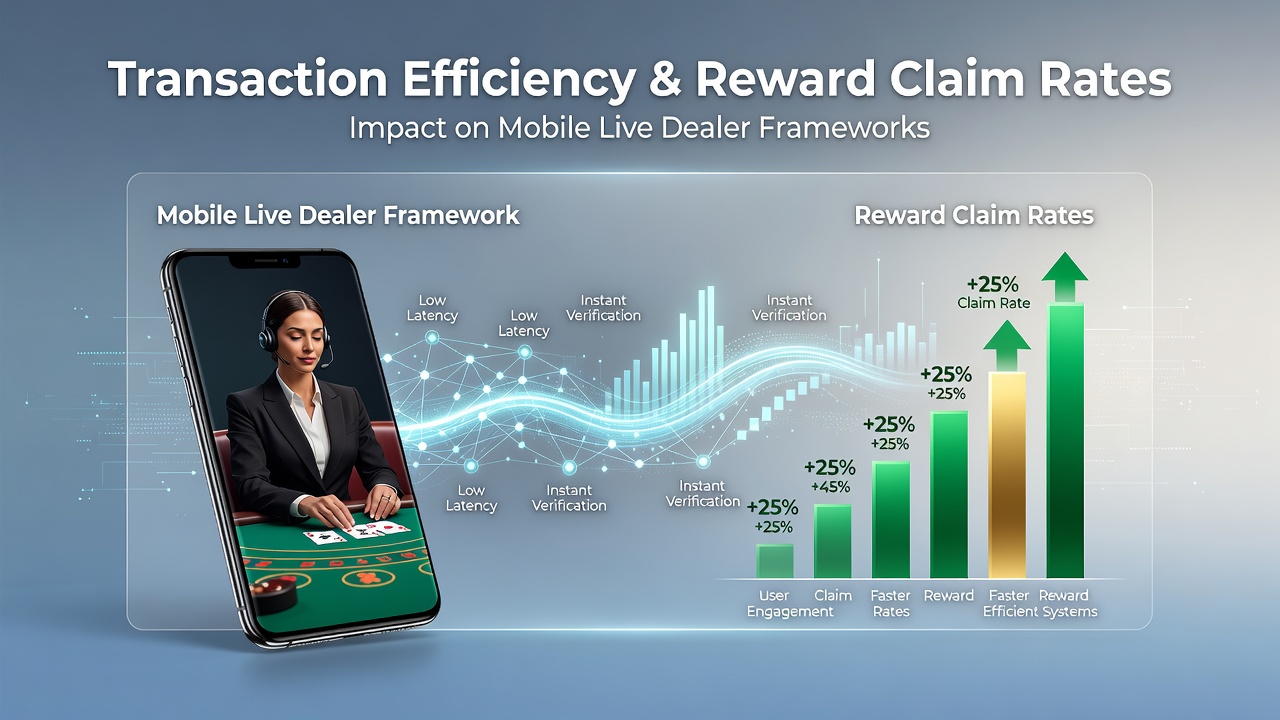
Efficiency Metrics in Digital Transfers Shaping Reward Redemption Patterns Across Mobile Live Dealer Platforms
Transaction efficiency stands as a central factor in how players interact with reward systems inside mobile live dealer environments, where processing speed directly influences whether claims get completed or abandoned midstream. Data from multiple platform analyses reveal that delays exceeding three seconds in payment confirmation correlate with measurable drops in successful redemptions, particularly when users engage with real-time table games like blackjack or roulette streamed to handheld devices.
Core Components of Transaction Efficiency
Payment gateways integrated into live dealer frameworks handle everything from deposit verification to bonus code activation, and observers note that systems using instant settlement protocols maintain higher completion rates than those relying on batch processing. Studies conducted across European and North American markets show average claim rates climbing when automated fraud checks finish under two seconds, whereas slower pipelines see users exit before the reward posts to their account balance.
Key elements include API response times between the casino operator and banking partners, alongside mobile network optimization that prevents packet loss during high-traffic periods. Those who track these metrics report that platforms employing edge computing for transaction routing experience fewer interruptions, allowing players to move from game session directly into reward claims without refreshing screens or re-entering details.
Observed Patterns in Claim Rate Variations
Figures from industry monitoring services indicate that reward claim rates in mobile live dealer setups rise by noticeable margins when transaction confirmation occurs within one second, a threshold many operators now target through upgraded infrastructure. In contrast, frameworks with legacy systems that require manual intervention at peak hours demonstrate consistent shortfalls in redemption numbers, especially for time-sensitive promotions tied to specific live sessions.
What's interesting is how geographic factors play into these outcomes, since players in regions with stronger 5G coverage encounter fewer friction points than those on variable connections. Research from the Canadian Gaming Association highlights similar trends in handheld table game environments, where seamless wallet integration supports sustained engagement through faster reward cycles.
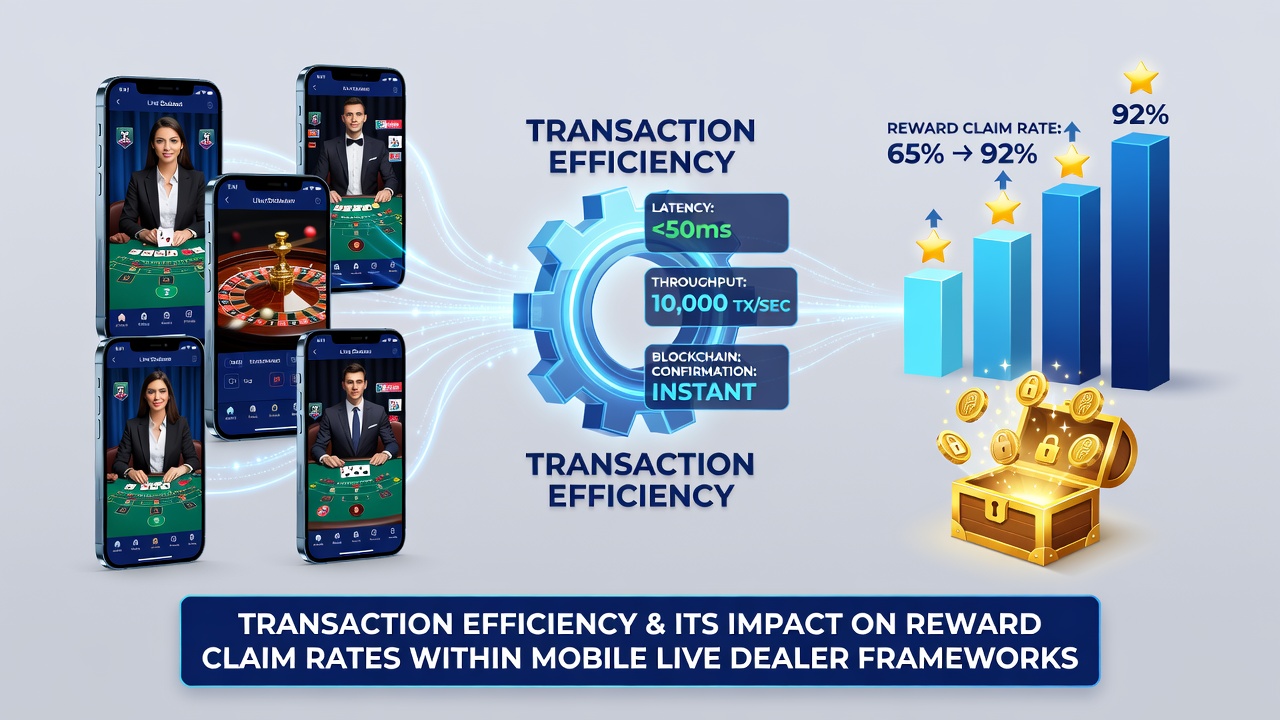
One case examined by analysts in early 2026 involved a Southeast Asian operator that upgraded its real-time payment rails ahead of June updates, resulting in documented improvements to claim success without altering bonus structures themselves. The shift allowed users to activate live dealer table rewards mid-session, reducing drop-off that previously occurred during verification windows.
Technical Factors Influencing Mobile Frameworks
Encryption standards and multi-factor authentication add layers that can extend processing windows, yet newer tokenization methods reduce this overhead while preserving security requirements. Data indicates operators balancing these elements achieve steadier claim volumes, particularly when handling stacked bonuses across multiple live tables accessed via smartphones.
Integration with digital wallets and instant bank transfer services further streamlines the path from game outcome to reward deposit, cutting steps that once required separate app switches. Those monitoring user behavior note fewer abandoned carts when confirmation notifications arrive promptly, supporting continued play rather than session termination.
Regulatory Context and Platform Adaptations
Guidelines from bodies such as the Nevada Gaming Control Board and the Australian Communications and Media Authority shape how transaction data gets logged and verified, influencing the speed at which rewards become available. Platforms adapting to these standards while maintaining low-latency processing often report more consistent claim activity across live dealer offerings.
By June 2026 several operators had rolled out enhanced monitoring tools that flag efficiency bottlenecks in real time, enabling adjustments before claim rates dip noticeably. This approach aligns with broader industry efforts to align technological performance with compliance demands without introducing extra user delays.
Conclusion
Transaction efficiency continues to serve as a measurable driver of reward claim outcomes within mobile live dealer frameworks, where faster processing supports higher completion across varied player bases and regulatory landscapes. Ongoing refinements in payment infrastructure point toward sustained focus on reducing friction points that historically interrupt redemption flows in these environments.