Digital Wallet Preferences Driving Shifts in Handheld Live Dealer Game Engagement
Ines Lange · May 31, 2026

Digital Wallet Preferences Driving Shifts in Handheld Live Dealer Game Engagement
Digital wallet options have become central to how players access and sustain involvement in interactive dealer sessions conducted through handheld devices, with payment speed and transaction flexibility often determining session duration and frequency. Research from industry analysts indicates that platforms supporting multiple e-wallet integrations report higher retention rates among mobile users who engage with real-time table games such as blackjack and roulette. Observers note that these tools reduce friction during deposits and withdrawals, allowing participants to focus on gameplay rather than payment processing delays.
Studies tracking mobile gaming trends reveal that users who rely on digital wallets complete more sessions per week compared to those limited to traditional bank transfers or card methods. This pattern holds across various markets where handheld devices dominate access to live dealer environments. Data shows that integration with services like PayPal, Skrill, and regional alternatives correlates with increased participation, particularly when sessions involve real-time interactions that require quick funding adjustments mid-play.
Payment Method Adoption Patterns in Mobile Environments
Adoption of digital wallets on handheld platforms has accelerated as operators expand live dealer offerings optimized for smaller screens. Figures from market reports highlight that over 60 percent of mobile live dealer activity now routes through e-wallet channels in several jurisdictions. Those who've examined transaction logs find that wallets offering instant verification enable players to join tables without interruption, which proves especially valuable during peak evening hours when interactive sessions fill quickly.
Security features built into modern digital wallets further support sustained engagement. Encryption standards and two-factor authentication reduce concerns about account access on public networks, encouraging longer play periods on tablets and smartphones. Researchers discovered that users who perceive higher security tend to participate in multiple consecutive dealer sessions rather than logging off after single rounds.
Regional Regulatory Influences on Wallet Integration
Regulatory frameworks in places like New Jersey shape how operators incorporate digital wallets into mobile live dealer products. The New Jersey Division of Gaming Enforcement outlines requirements that influence which payment providers receive approval, directly affecting available options for handheld users. Similar oversight exists in other areas, where compliance standards determine transaction limits and verification timelines that impact session flow.
Industry organizations such as the European Gaming and Betting Association compile data showing variations in wallet usage tied to local rules. In regions with streamlined approval processes, participation metrics for interactive dealer games on mobile devices rise noticeably. This connection appears in reports tracking how payment availability aligns with player activity levels throughout different time zones.
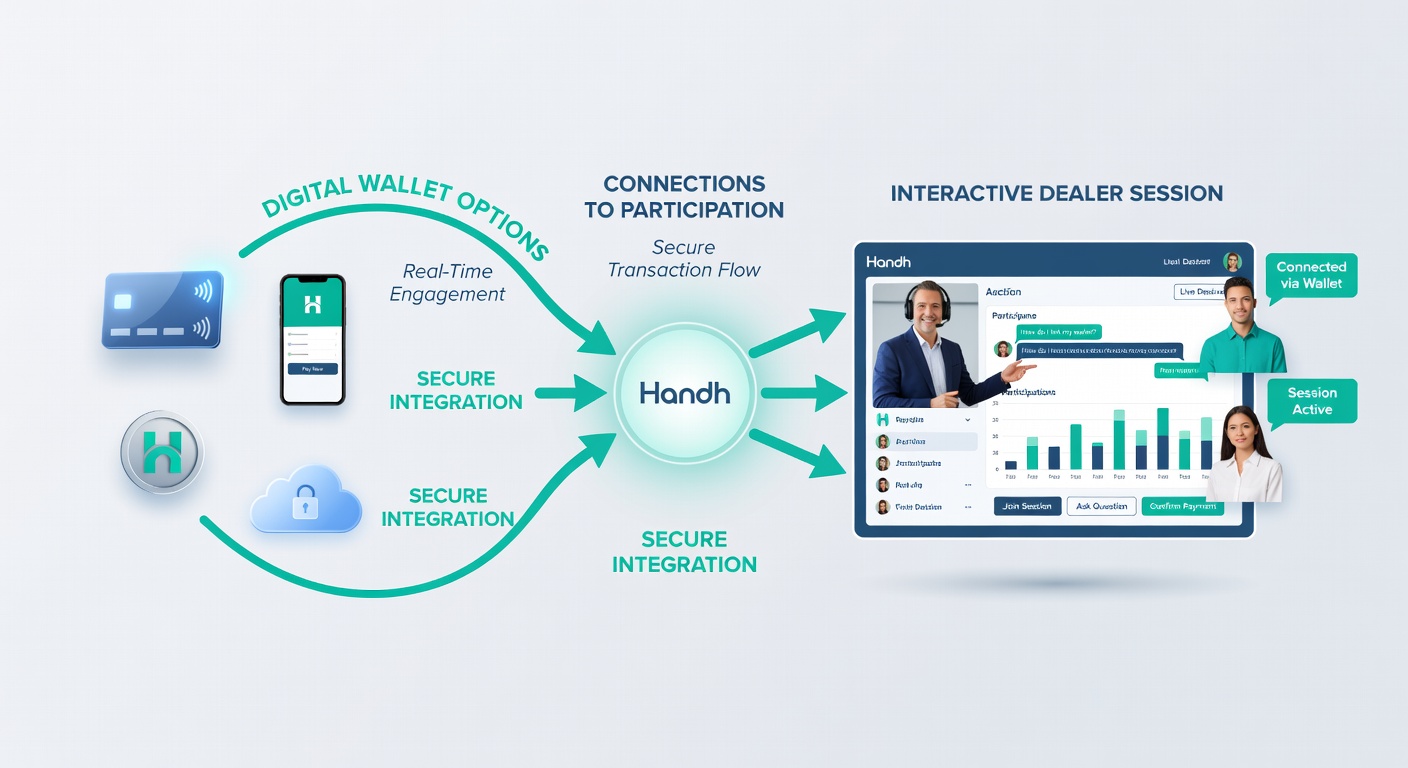
Technical Factors Linking Wallets to Session Participation
App compatibility plays a key role in connecting digital wallet choices to ongoing involvement in handheld dealer sessions. Developers design interfaces that allow one-tap transfers, minimizing downtime between rounds and supporting continuous engagement. Evidence suggests that smoother integrations lead to higher completion rates for extended play sessions, particularly when users switch between multiple table games within a single login period.
Transaction fees and processing speeds also factor into these dynamics. Wallets with lower costs encourage repeated deposits, sustaining participation across longer periods on mobile devices. Academic examinations of user behavior indicate that cost transparency influences decisions about whether to extend sessions or exit after initial play.
Emerging Trends Through Mid-2026
Projections for May 2026 point toward expanded wallet support in live dealer mobile ecosystems as operators respond to shifting user preferences. Market analyses anticipate growth in contactless and biometric-linked options that further streamline access to interactive tables. Those monitoring these developments observe that such advancements could strengthen the existing link between wallet versatility and session frequency on handheld platforms.
Conclusion
Connections between digital wallet options and participation in interactive dealer sessions on handheld devices rest on measurable factors including transaction efficiency, security perceptions, and regulatory alignment. Data from multiple sources demonstrates consistent patterns where broader wallet availability supports greater mobile engagement levels. As platforms continue adapting to these preferences, the relationship between payment tools and live dealer activity remains a central element of industry operations.