Digital Payment Streams and Their Connection to Bonus Claims in Mobile Live Dealer Table Games
Otto Krüger · May 15, 2026
Digital Payment Streams and Their Connection to Bonus Claims in Mobile Live Dealer Table Games
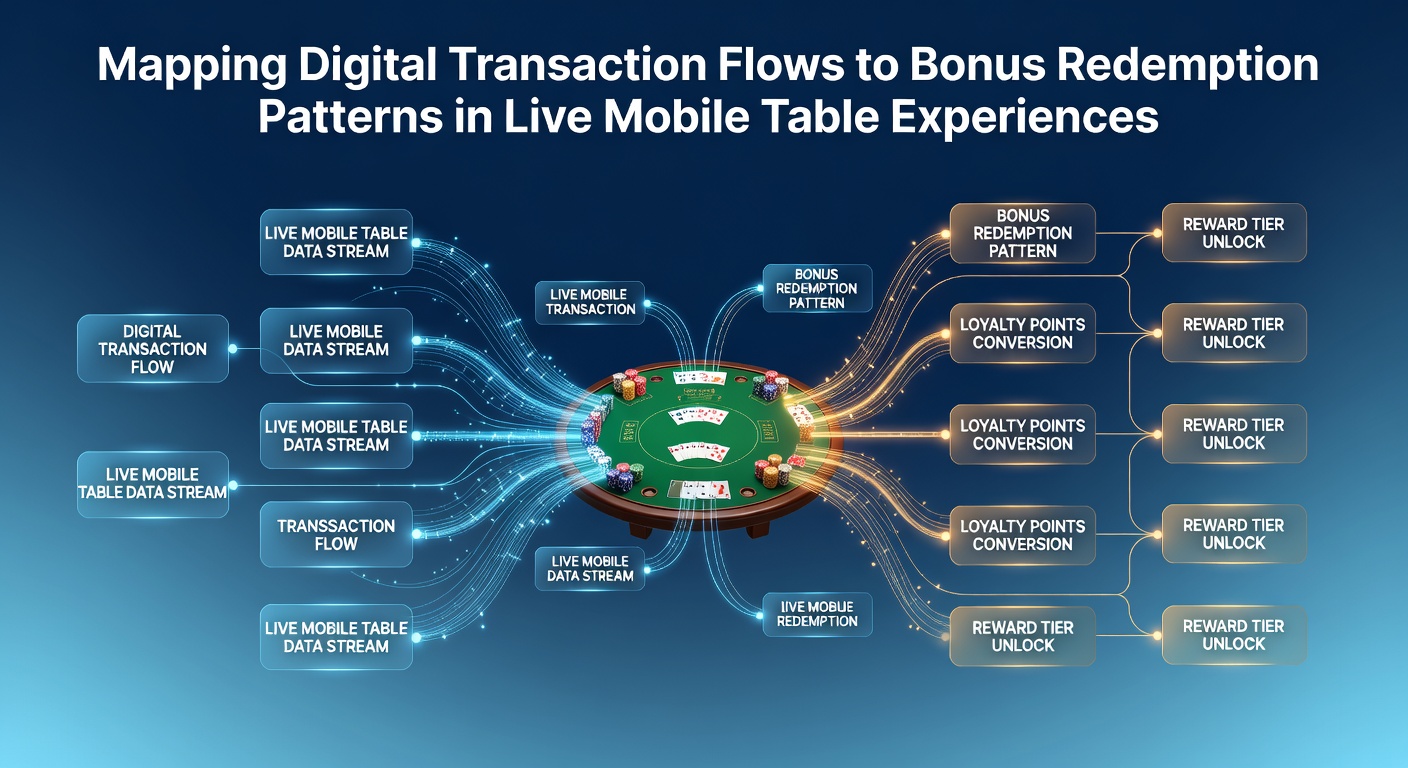
Digital transaction flows in mobile live table experiences follow structured pathways that connect deposits directly to bonus activation and eventual redemption sequences, while data analytics platforms track each step from initial funding through game play and cashout requests.
Payment processors handle instant deposits via methods such as e-wallets and bank transfers, which then trigger bonus credit allocations in live dealer environments where players engage with blackjack, roulette and baccarat tables streamed in real time, and these systems log timestamps for every interaction to build detailed redemption profiles.
Transaction Mapping Techniques Used by Platform Operators
Operators employ graph-based models to visualize how funds move from user accounts into live table sessions, and these models highlight patterns where bonus funds get prioritized during high-stakes rounds before converting to withdrawable balances, while software tools integrate with mobile APIs to capture location data and device identifiers alongside each transaction record.
Studies from the Nevada Gaming Control Board indicate that transaction volume for mobile live tables rose notably during early 2026, and similar growth appears in reports covering May 2026 updates when several platforms introduced enhanced encryption layers for faster processing during peak evening hours.
Bonus Redemption Patterns Across Live Mobile Tables
Redemption sequences typically unfold in phases where players first meet wagering requirements through consistent bets on table games, and analysts note that mobile users often complete these cycles faster than desktop counterparts because push notifications remind them of remaining playthrough targets. Data shows clusters of redemptions occurring after specific table game milestones, such as hitting a certain number of hands in blackjack or completing roulette spin sequences, while patterns reveal higher redemption success rates when bonuses tie to progressive side bets.
Researchers at academic institutions tracking gaming behavior have documented how time-of-day influences these flows, with evening sessions showing denser redemption activity, and one study revealed that users who combine multiple small deposits with bonus top-ups tend to extend their live table sessions longer than those making single large transfers.
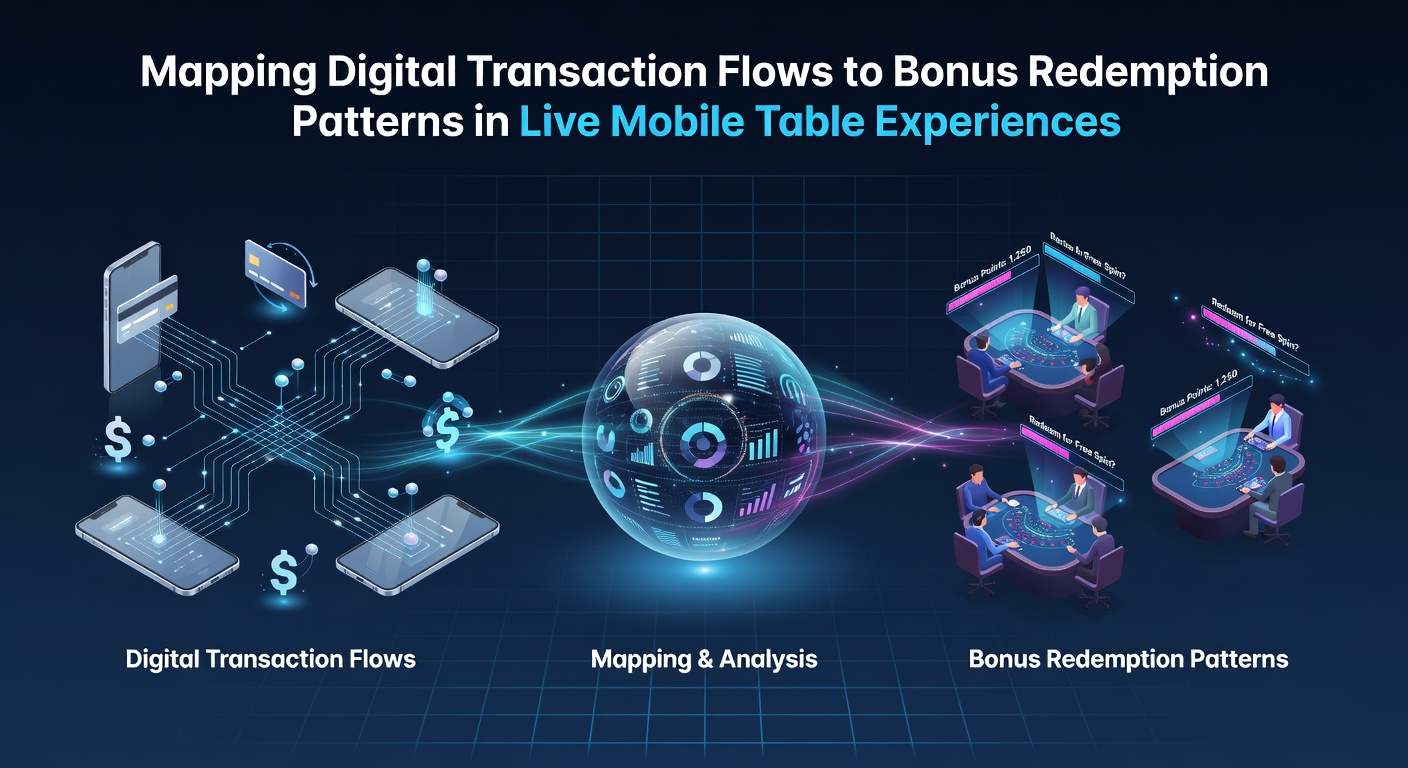
What's interesting is how these mapped flows help identify segments where bonus abuse risks appear higher, leading platforms to adjust verification triggers at key points in the transaction chain, and figures from industry reports confirm that refined mapping reduces failed redemption attempts by aligning bonus terms more closely with actual player behavior data.
Integration of Mobile Technology and Regulatory Oversight
Mobile frameworks rely on real-time synchronization between payment gateways and game servers to ensure bonus credits apply instantly when players join live tables, and this integration supports seamless switches between games without resetting active bonus trackers. Regulatory bodies in regions such as Australia have issued guidelines requiring transparent logging of these flows, while Canadian provincial commissions emphasize data security measures that protect transaction histories during cross-border mobile sessions.
Platform teams review aggregated datasets monthly to spot emerging trends, such as seasonal spikes in bonus redemptions tied to major sporting events that draw more users to live table offerings, and these reviews often lead to updates in bonus structures announced around May each year to match shifting mobile usage habits.
Future Developments in Flow Analysis for 2026 and Beyond
Advances in machine learning allow for predictive modeling of redemption likelihood based on early transaction signals, and operators apply these models to optimize bonus offers for live mobile tables without altering core game rules. Evidence from ongoing trials shows improved player retention when flows are mapped with greater granularity, particularly for users accessing tables through dedicated apps rather than browsers.
Collaboration between technology providers and gaming associations continues to refine standards for data exchange, ensuring that transaction mapping remains accurate across different mobile operating systems and network conditions.
Conclusion
Mapping digital transaction flows to bonus redemption patterns provides operators with precise tools for managing live mobile table experiences, and continued refinement of these methods supports both compliance and operational efficiency as mobile adoption expands through 2026 and subsequent periods.